Skincare Serum Bottle Filling Product Behaviour
Use representative serum from the normal operating range. Record how the formulation is presented for dosing, what changes as the run progresses and whether visible drips occur after nozzle withdrawal.
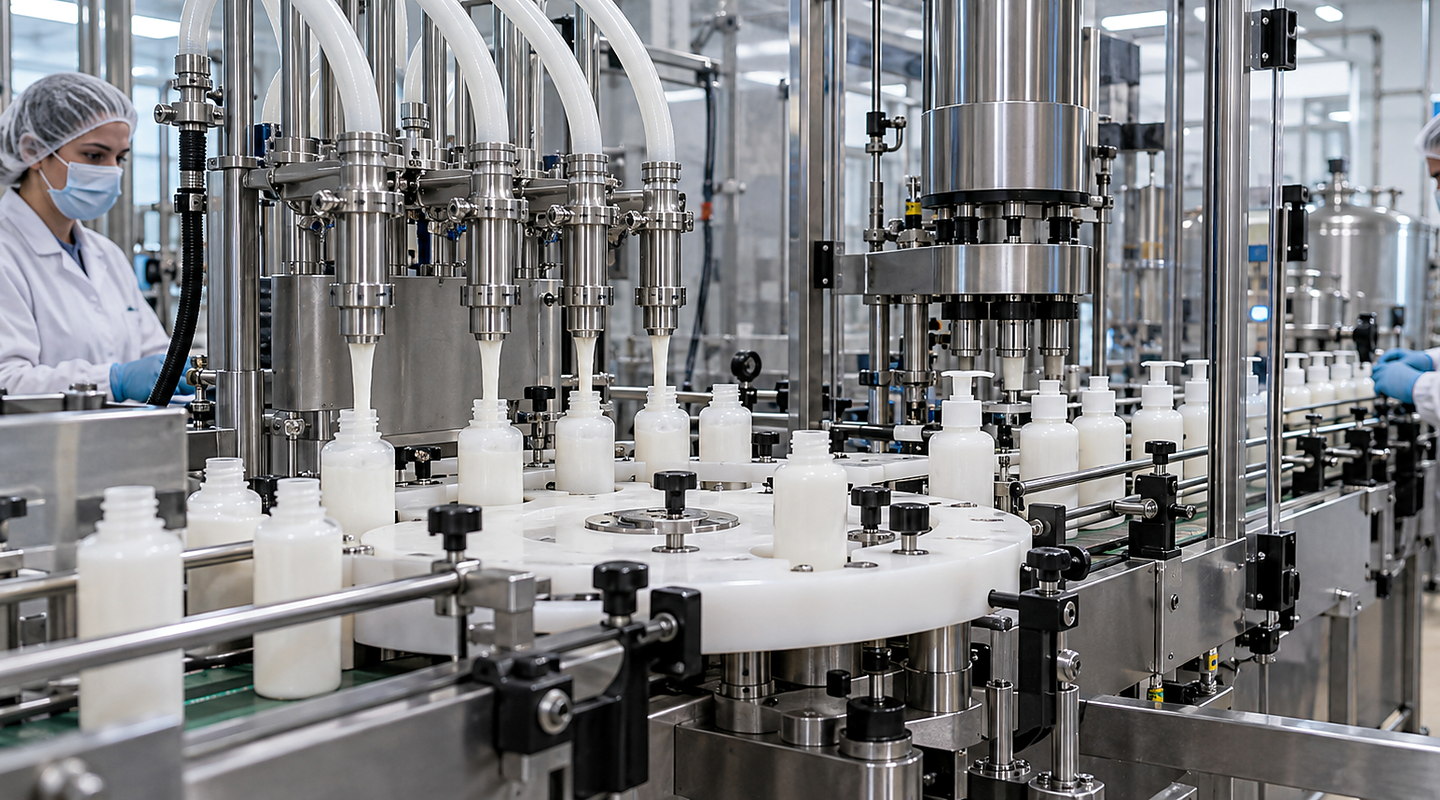
Plan routine production using skincare serum bottle filling around representative products, packs and packaging materials, line connections, operating limits, acceptance checks and next steps.
For routine serum bottle filling, assess sustained operation with the actual formulation, fill range and complete bottle-and-closure set. Include product replenishment, bottle and closure supply, short stops and the checks needed to resume production.
Use the acceptance checklist to distinguish accepted filled bottles from total cycles, and record any untested formulations, formats or production conditions.
Plan serum bottle filling around your product, pack range, target output, cleaning needs and finished-pack checks. Discuss a practical line concept with Lancing using representative samples. For routine production using skincare serum bottle filling, the deciding details include skincare serum bottle filling product behaviour, target dose, count or pack weight and finished-pack checks and reject handling.
Discuss your application
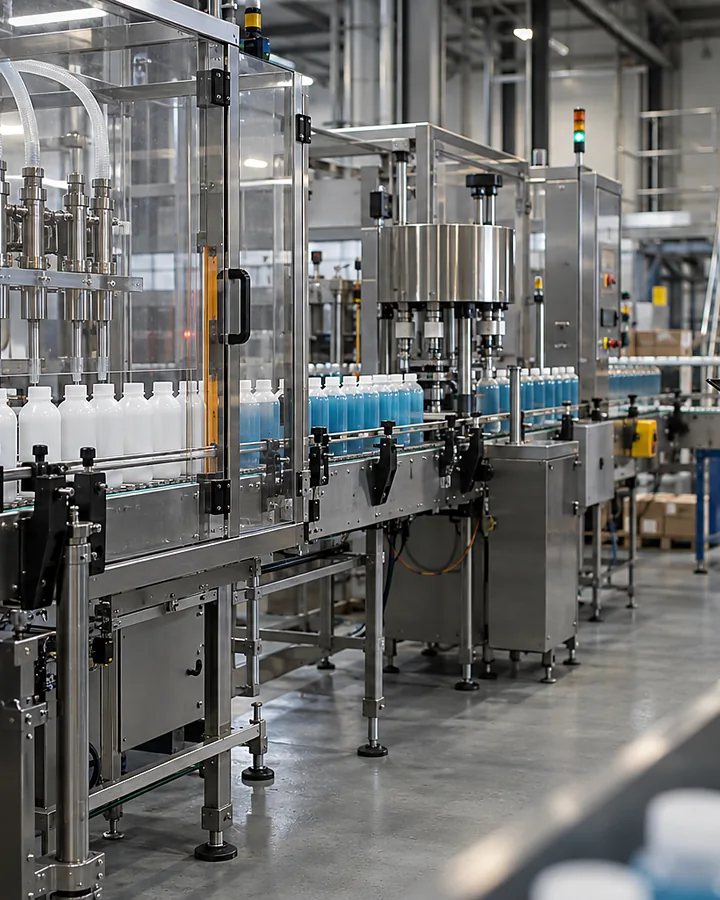
Use representative serum from the normal operating range. Record how the formulation is presented for dosing, what changes as the run progresses and whether visible drips occur after nozzle withdrawal.
Use the nominated bottle and complete dropper or pump components. Check presentation, nozzle clearance and closure seating with those samples throughout the run.
State the target fill and its unit for each bottle. Record individual results, including bottles filled just after a refill or restart, against the limits agreed for the trial.
Time a representative run including replenishment, stops and restarts. Record accepted finished bottles separately from cycles, rejected bottles and operator interventions.
At the planned stop, identify the product-contact parts and closing components that need access. Record how the team prepares the line for a restart and checks the first new bottles.
Keep fill result, visible drip and closure seating as separate checks. Identify rejected bottles and the reason for each, using the formulation, bottle and closure actually tested.
Include replenishment, normal production, planned change, short stops, fault recovery, cleaning and maintenance for routine production using skincare serum bottle filling. A fast automatic step can still leave your team with a slow or awkward overall process.
Run the agreed serum and bottle-and-closure combinations through the proposed filling and closing sequence. Record accepted bottles alongside fill, drip and closure observations, including replenishment and normal interruptions in the operating record.
Include the agreed fill-range limits and representative variations in formulation condition and packaging. Identify which combinations need a separate trial instead of extending results from one serum, bottle or closure to the whole range.
Agree the response to an interrupted fill, a missing or incorrectly seated closure, and a bottle outside the agreed checks. Review how the affected bottles are handled and what must be confirmed before restart, using an agreed assessment method.
Compare with Short Runs and Format Changes Involving Skincare Serum Bottle Filling if that operating pattern is closer to your application.